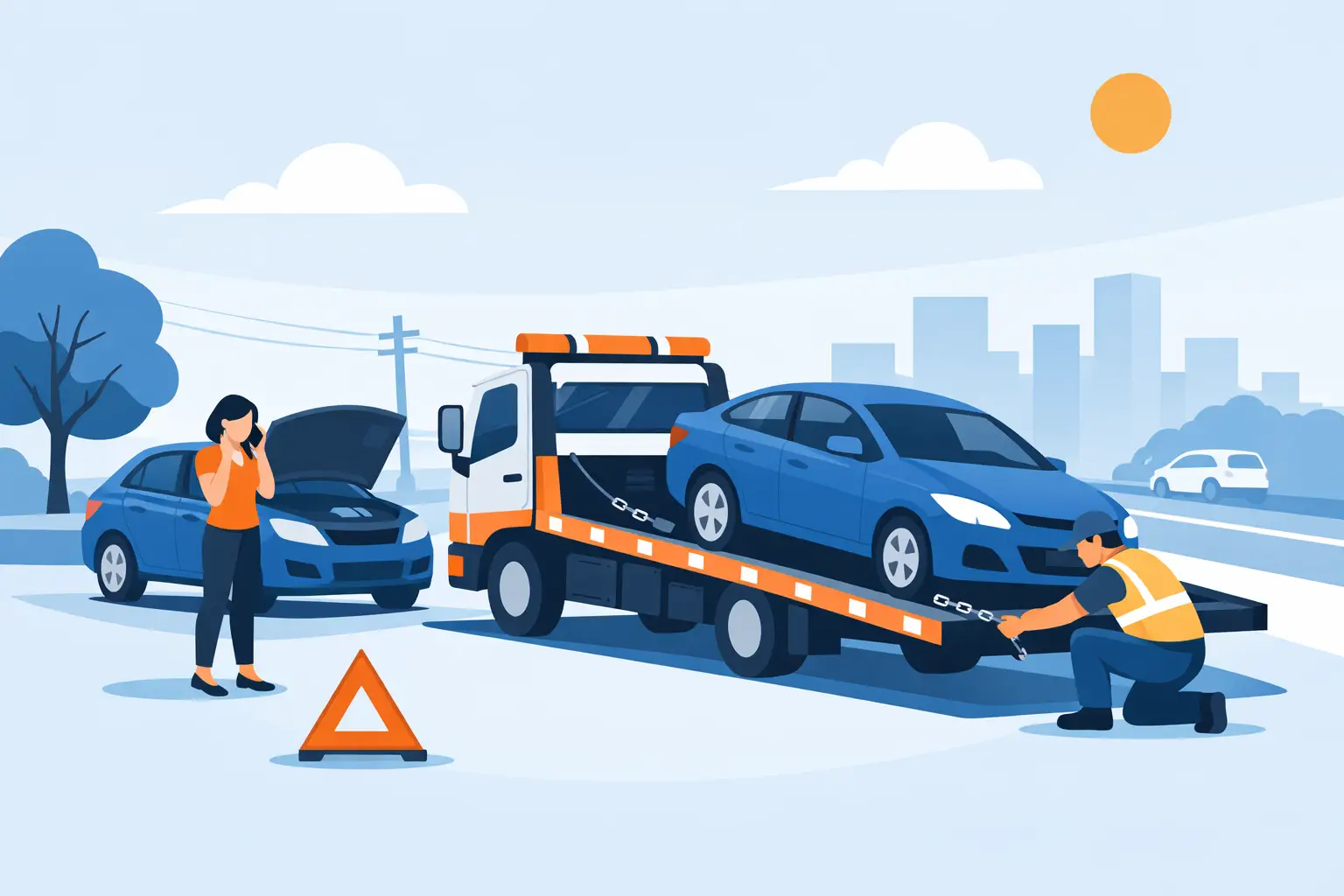
How Roadside Recovery Works
A vehicle can go from fully drivable to completely stuck in a matter of seconds. One flat tire in live traffic, one slide into a ditch, or one mechanical failure on a dark road can leave you needing help fast. If you have ever wondered how roadside recovery works, the short answer is this: a trained operator assesses the situation, secures the scene, recovers the vehicle safely, and either gets you moving again or transports the vehicle where it needs to go.
That sounds simple, but the actual process depends on where the vehicle is, what caused the problem, and whether the issue is a basic roadside service or a true recovery. Knowing the difference matters, especially when safety, timing, and damage prevention are on the line.
What roadside recovery actually means
Roadside recovery is the professional process of removing, stabilizing, and transporting a vehicle that cannot continue under its own power or cannot be safely handled with a basic tow alone. In some cases, the vehicle is disabled on the shoulder after a breakdown. In others, it is off the road, stuck in mud or snow, involved in a collision, or positioned in a way that requires specialized equipment.
People often use towing and recovery as if they mean the same thing, but they are not always identical. A standard tow usually involves moving a vehicle that is accessible and can be loaded normally. Recovery begins when the vehicle is in a difficult position, when the scene is unsafe, or when operators need winching, rigging, traffic control, or heavy-duty equipment to remove it without causing further harm.
How roadside recovery works from the first call
The process starts before the truck arrives. When you call for help, the dispatcher needs a clear picture of the situation so the right equipment and operator can be sent the first time.
The most useful information is your location, the type of vehicle, what happened, and whether the vehicle is blocking traffic or sitting in a hazardous area. It also helps to mention visible damage, whether the wheels turn, and whether the vehicle is stuck off the roadway. A sedan with engine trouble in a parking lot is very different from an SUV in a ditch or a loaded commercial vehicle on the shoulder.
That first conversation helps determine whether you need light-duty towing, a flatbed, winching, accident recovery, or heavy-duty recovery. It also allows the dispatcher to prioritize urgent situations, especially when a stranded driver is in a dangerous location.
What happens when the operator arrives
Once on scene, the operator does not immediately hook up the vehicle and leave. The first job is safety.
The area has to be assessed for traffic, weather, unstable ground, leaking fluids, downed debris, and the position of the vehicle. If the vehicle is near moving traffic, scene control becomes a major factor. If it is off-road or on an incline, the operator has to think about load balance, anchor points, and how to recover the vehicle without shifting it unexpectedly.
Next comes a closer inspection of the vehicle itself. The operator checks how damaged it is, whether it can roll, whether it can be pulled straight, and what recovery method will avoid additional damage. This matters because the fastest-looking option is not always the safest one. Pulling a vehicle from the wrong angle can damage suspension parts, body panels, bumpers, undercarriage components, or drivetrain systems.
The equipment used in roadside recovery
How roadside recovery works depends heavily on matching the right equipment to the job. For a routine disabled vehicle, that may mean a wheel-lift tow truck or a flatbed. For a more difficult incident, it may involve winches, dollies, skates, snatch blocks, air cushions, or heavy-duty wreckers.
Flatbeds are often used when the vehicle cannot be towed conventionally or when keeping all four wheels off the road is the safer choice. Winching equipment is used when a vehicle is stuck in snow, mud, a ditch, or another off-road position. Heavy-duty recovery equipment is needed for larger vehicles such as buses, commercial trucks, trailers, and equipment units.
The key point is that roadside recovery is not just about strength. It is about control. A trained operator uses equipment to manage weight, angle, traction, and movement so the vehicle can be removed as safely as possible.
Recovery is not always a tow
Some roadside situations can be resolved without towing the vehicle away. If the issue is a dead battery, flat tire, lockout, or fuel delivery need, roadside assistance may be enough to get you back on the road. In that case, the operator solves the immediate problem at the scene.
Recovery becomes necessary when the vehicle cannot be safely driven or cannot be reached without specialized intervention. That can happen after a crash, after a mechanical failure that locks up steering or braking, or after the vehicle leaves the roadway. Sometimes the recovery is followed by a tow to a repair facility, your home, or a secure storage location. Sometimes the recovery itself is the main event, especially if the vehicle first has to be pulled out, uprighted, or repositioned.
Why training matters during a recovery
This is one of those services where experience shows up quickly. A professionally trained operator knows how to read the scene, choose the safest loading method, and avoid common mistakes that can turn a bad situation into a more expensive one.
For example, not every all-wheel-drive vehicle should be moved the same way. Not every damaged vehicle can be winched by the same points. Electric vehicles can present different handling considerations than gas-powered models. Commercial vehicles introduce another layer of complexity because of cargo weight, axle load, height, and road position.
That is why established operators rely on process, not guesswork. In roadside emergencies, calm decision-making matters just as much as the truck itself.
What affects timing and cost
Customers often want a simple answer on arrival time and price, but roadside recovery is one of those services where the details matter.
Response time depends on traffic, weather, call volume, your exact location, and the kind of unit required. A basic tow truck may be available faster than a heavy-duty recovery unit, but if the heavier equipment is what the job requires, sending the wrong truck first only delays the outcome.
Cost depends on the type of service, the equipment needed, how long the recovery takes, where the vehicle is located, and whether storage is required after transport. A straightforward tow from a safe shoulder is not priced the same as a multi-step ditch recovery or a commercial vehicle recovery that requires specialized rigging. Transparent rate information matters because customers should understand what they are paying for, especially in stressful situations.
What you should do while waiting
If your vehicle is disabled, your first priority is personal safety. If you can move to a safer location without creating more risk, do that. If you are already stopped in a hazardous area, stay aware of traffic and follow emergency guidance based on your location and condition.
Turn on your hazard lights. If it is safe, stay inside the vehicle or move well away from traffic depending on the surroundings. Have your phone available and keep it charged if possible. When the operator calls or arrives, give clear information and follow instructions. Small details, like whether your vehicle is front-wheel drive or whether it is stuck deeper than it first appears, can help avoid delays.
How roadside recovery works in bad weather or after hours
Many serious recovery calls happen in poor conditions. Snow, ice, fog, heavy rain, and overnight breakdowns reduce visibility and increase risk for both motorists and operators. That is exactly why 24/7 service matters.
After-hours recovery is not a different service, but it often requires more caution. Operators may need additional lighting, more time to manage the scene, and extra care around reduced shoulder visibility or icy surfaces. In winter, a vehicle that looks lightly stuck can actually be high-centered or frozen into place. In wet conditions, soft shoulders and muddy ground can also affect where the recovery truck can safely position.
For drivers across the Niagara Region, that local knowledge matters. An experienced provider like Regional Towing understands how road conditions, rural routes, highway traffic, and seasonal weather affect recovery planning.
The real goal of roadside recovery
The goal is not just to move a vehicle. It is to protect people, prevent additional damage, and restore order to a stressful situation as quickly and safely as possible.
That is why roadside recovery works best when it is handled by a company with the right equipment, trained operators, and a clear process from dispatch to final transport. Some calls are simple. Others are complex. What matters is having a response that matches the situation rather than forcing every incident into the same basic tow.
If you ever find yourself stranded, stuck, or facing a roadside incident you did not see coming, knowing what to expect can make the moment feel more manageable. The right recovery response brings structure to a situation that usually starts in chaos.


