Commercial Fleet Roadside Support That Works
A missed delivery window rarely starts as a major event. More often, it starts with a flat tire on a service van, a dead battery in a box truck before first dispatch, or a medium-duty unit stuck on the shoulder during peak traffic. That is where commercial fleet roadside support stops being a backup plan and becomes part of daily operations.
For fleet managers, dispatchers, and business owners, the real cost of a roadside breakdown is not just the tow bill. It is lost time, missed appointments, frustrated customers, driver exposure on the roadside, and the ripple effect that hits the rest of the day. The right roadside support provider helps contain that damage quickly, safely, and with as little disruption as possible.
What commercial fleet roadside support should actually cover
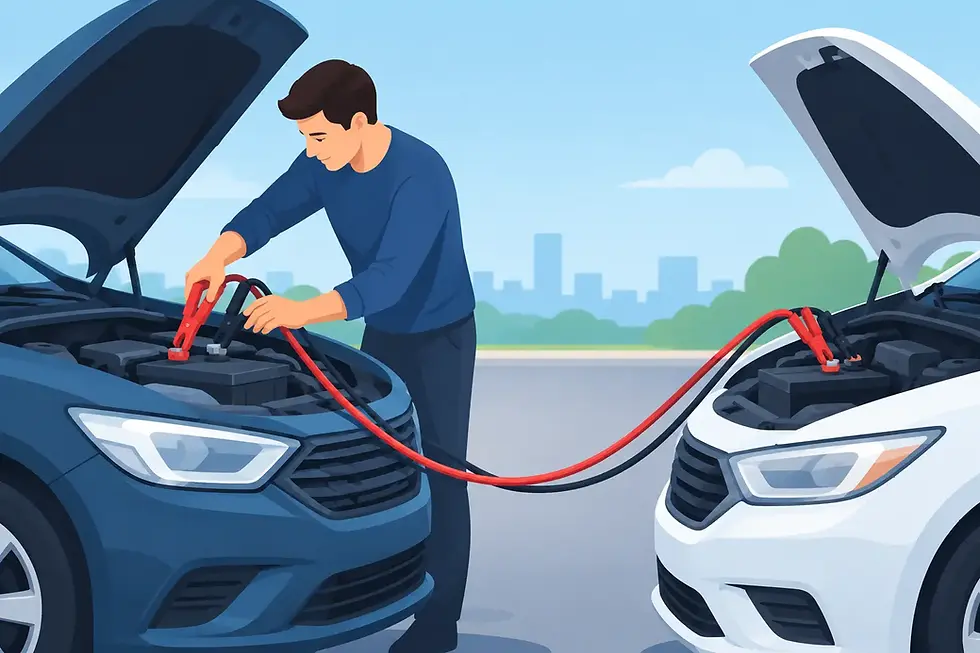
Not every roadside call ends with a tow, and that matters for fleets trying to control downtime. Good support starts with accurate triage. If a truck can be safely returned to service with a tire change, jump start, lockout assistance, fuel delivery, winch-out, or minor roadside recovery, that is usually the fastest path back on the road.
When the problem is more serious, towing has to be handled by the right equipment and the right operator. A passenger vehicle tow is one thing. A loaded work truck, cargo van, cube van, or heavier commercial unit requires proper handling, clear safety procedures, and equipment matched to the vehicle's size and condition. Sending the wrong truck wastes time. Sending an unqualified operator creates more risk.
This is why fleet roadside support works best when one company can handle both routine incidents and more complex recovery situations. If a provider only covers light-duty calls, fleets still end up scrambling when a larger vehicle needs help after hours or in poor weather.
Why response time matters more for fleets
A private driver may lose a morning to a breakdown. A fleet can lose an entire route, a jobsite visit, or a customer account if service failures become a pattern. Commercial fleet roadside support is about response time, but it is also about predictability.
Fleets need to know that when a call comes in at 2:00 a.m. or during the lunch rush, someone answers, dispatch starts immediately, and updates are clear. Delays are costly, but uncertainty is what creates operational chaos. If your dispatcher has to call multiple companies to find out who can actually respond, the clock is already working against you.
That is where local coverage makes a difference. A provider that knows the Niagara Region, understands traffic patterns, and operates around the clock can usually move faster than a call center model that brokers the job out. Local experience also helps when a vehicle is stuck in a tight commercial lot, on a shoulder with limited access, or in winter conditions that call for careful recovery work instead of a rushed hook-up.
Commercial fleet roadside support is also a safety decision
Breakdowns create exposure for drivers first. A van stopped near live traffic, a truck disabled in low visibility, or a vehicle stranded in a loading area after dark can turn into a safety issue fast. Fleets should evaluate roadside support providers the same way they evaluate other safety-critical vendors - by training, equipment, availability, and consistency.
The cheapest option is not always the lowest-cost option once risk is considered. An inexperienced operator can damage a driveline, body panels, liftgate, suspension, or cargo area during towing or recovery. A poor roadside setup can increase danger for the driver and for passing traffic. Those mistakes cost more than the original breakdown.
A dependable towing and recovery company should be able to communicate clearly, arrive prepared, secure the scene, and handle the vehicle according to its size and condition. That is especially important for business vehicles carrying tools, inventory, time-sensitive products, or branded assets that represent your company in public.
What fleet managers should look for in a provider
The best provider for one fleet may not be the best fit for another. A contractor with vans and pickups has different needs than a regional distributor using heavier commercial units. Still, a few standards apply across the board.
First, the company should offer true 24/7 service, not limited-hour dispatch with reduced overnight capacity. Breakdowns do not follow business hours. Second, the provider should have the range to handle more than simple passenger vehicle towing. Commercial work often involves heavier vehicles, awkward access points, or recovery conditions that demand more than a standard wrecker.
Third, look at reputation. In an emergency service business, reviews matter because they reveal patterns. Do customers mention fast arrival, professional operators, clear communication, and careful handling? Or do they describe delays, poor updates, and surprise charges? Fleets need partners they can trust under pressure.
Transparent pricing also matters. No fleet manager wants to explain inconsistent invoices after an already costly downtime event. Published towing and storage rates, when available, help set expectations and reduce friction when incidents happen.
The role of dispatch and communication in fleet roadside support
A roadside event is easier to manage when the support process is organized from the first call. The provider should ask the right questions early: vehicle type, exact location, lane or shoulder position, whether the unit is loaded, whether there is visible damage, and whether the issue appears mechanical, tire-related, or collision-related.
Those details shape the response. They also reduce the chance of a second dispatch because the wrong truck was sent first. For commercial accounts, this matters more than many companies realize. One bad dispatch can turn a 45-minute interruption into a multi-hour problem.
Good communication continues after dispatch. Fleets benefit from estimated arrival times, updates if traffic changes the timeline, and a clear explanation of whether the unit can be repaired roadside or should be towed. If the vehicle needs recovery or storage, the next steps should be simple and direct.
When towing is the right call
There is a natural temptation to get every vehicle rolling again roadside. Sometimes that works. Sometimes it creates a second breakdown 20 miles later. Commercial fleet roadside support should never be about forcing a roadside fix when towing is the safer or smarter option.
If a steering, braking, driveline, cooling, or electrical problem makes the vehicle unreliable, towing protects the driver, the cargo, and the rest of the route. The same goes for incidents involving collision damage, wheel-end issues, or undercarriage problems after striking debris. A quick restart is not a win if the vehicle should not be operating.
Experienced operators know when a roadside service call can solve the problem and when recovery or towing is the responsible next step. That judgment is one of the biggest differences between a basic roadside vendor and a serious commercial support partner.
Why local experience matters in the Niagara Region
Fleet support is not just about having trucks on standby. It is about knowing where delays happen, which roads create access challenges, and how weather can change a routine call into a recovery job. In a region like Niagara, conditions can shift quickly between highways, urban corridors, industrial areas, and secondary roads.
That local familiarity helps providers reach drivers faster and work more efficiently once on scene. It also helps when fleets need support across different vehicle types and service hours. A company that has been operating locally for decades has usually seen the common breakdown patterns, the difficult recovery spots, and the timing pressures that matter most to businesses trying to stay on schedule.
Regional Towing has built its reputation around that kind of response - 24/7 availability, trained operators, and the ability to support both routine towing and more demanding recovery work across the Niagara area.
Building roadside support into fleet planning
The best time to choose a roadside provider is before the next breakdown. Waiting until a driver is stranded usually leads to rushed decisions, inconsistent service, and more downtime than necessary. Fleets should keep provider details in every vehicle, give drivers simple reporting instructions, and confirm what types of units the towing partner can handle.
It also helps to review recurring incidents. If the same vehicles keep needing battery service, tire calls, or winch-outs at the same locations, that is not only a roadside issue. It may point to maintenance gaps, route planning problems, or seasonal risk that can be reduced ahead of time.
A good roadside support relationship does not replace fleet maintenance. It supports it. The goal is not to normalize breakdowns. The goal is to respond well when they happen and keep one incident from turning into a bigger operational problem.
When your business depends on vehicles showing up where they are supposed to be, roadside support should be treated like an essential service, not a name saved in a phone after something goes wrong. The right commercial partner brings urgency, proper equipment, and steady communication when the day has already started to go sideways.